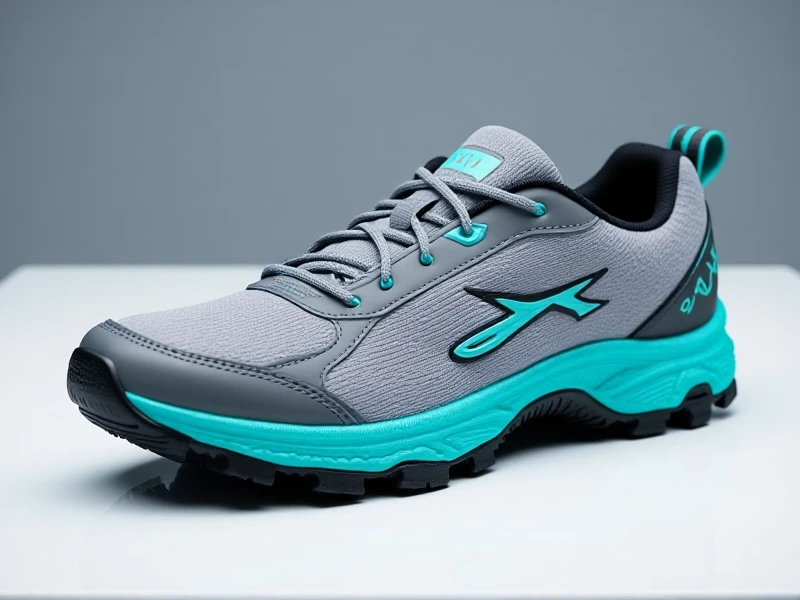
The Ultimate Guide to Choosing the Best Running Shoes for Your Workout
Finding the perfect running shoes can transform your fitness journey. When my friend Sarah started running regularly, she quickly learned that old sneakers caused knee pain—until she invested in a proper pair. Running shoes are designed to offer support, cushioning, and stability, reducing injury risks and making every mile more enjoyable. Whether you're a beginner or a seasoned marathoner, selecting the right footwear helps with everything from daily jogs to long-distance races. Ignoring this step often leads to blisters or strains, so focus on shoes tailored to your needs. In this guide, I'll share essential tips based on research and experiences to help you pick the ideal pair.
First, assess your foot type and running style. Most running shoes cater to arch support (like neutral, overpronation, or supination), so take a simple online test or visit a store for analysis. Personally, I found Brooks Adrenaline GTS great for my high arches after years of trial. Next, consider the terrain you run on: road shoes, with firm treads for pavement, or trail running shoes with grippy soles for muddy paths. Lightweight models from brands like Nike or Hoka are popular for speed, while cushioned options from Saucony suit recovery sessions. Always try on shoes later in the day when feet swell, and ensure a thumb's width space at the toe for comfort.
Beyond fit, examine key features. Cushioning level is crucial—adequate padding absorbs impact but avoid overdoing it to not sacrifice natural foot movement. For instance, Asics Gel-Nimbus provides plush feel without added bulk. Material matters too; breathable mesh uppers like those in New Balance help with sweat management and ventilation. Aim for durability in outsoles, especially if you log weekly miles. Recently, sustainable running shoes have gained traction, using recycled materials—an excellent eco-conscious choice without compromising performance.
Maintaining your running shoes ensures longevity. Rotate between two pairs to reduce wear—I saw my Adidas Ultraboost last longer by alternating daily. Clean shoes gently with mild soap and air dry; never toss them in a machine. Replace them every 300-500 miles, as worn-out soles lose effectiveness and heighten injury odds. Finally, pair them with proper socks—merino wool options wick moisture for blisters. Test your new shoes on short runs to break them in gradually.
Start exploring online reviews or in-store fittings today, and share your own favorites with other runners in our community. Happy running, and lace up for success! ( 398)